
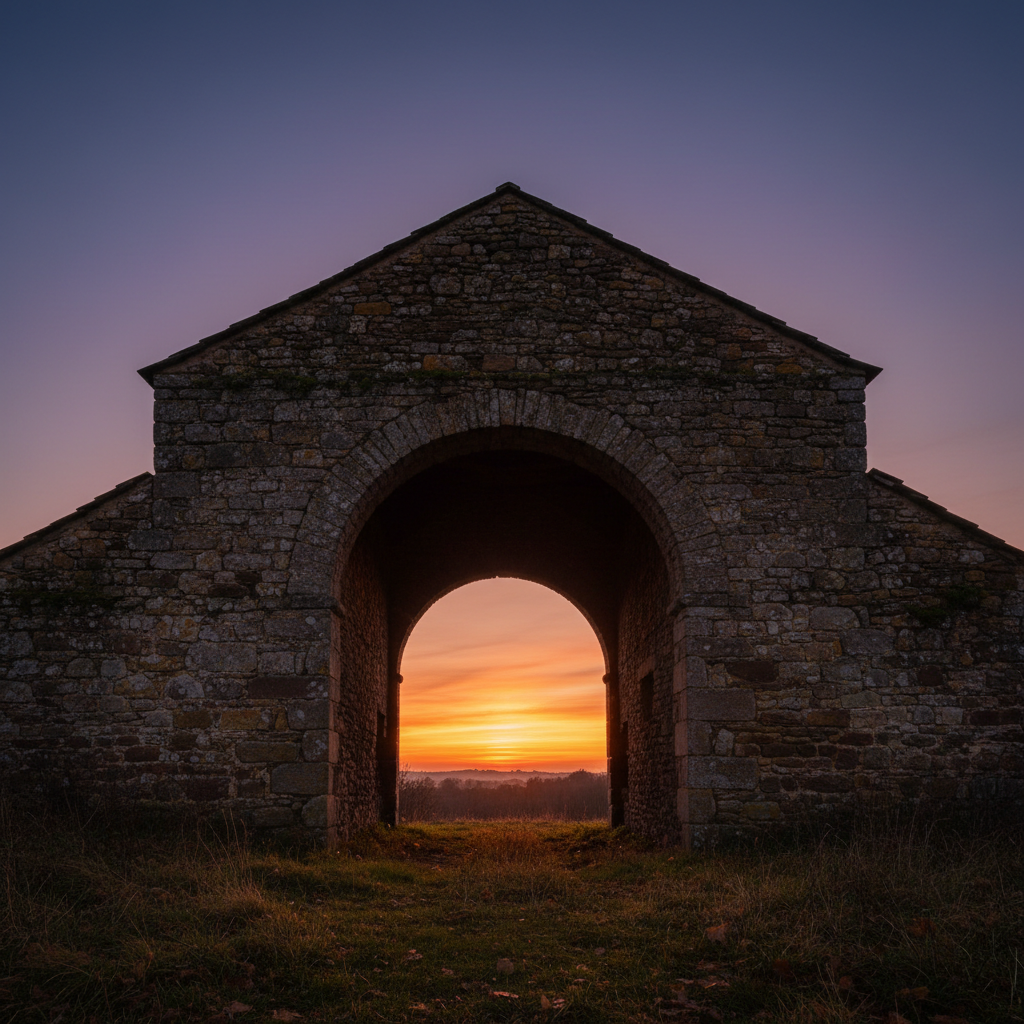
Every flight begins
with a safe place
to rest.
We are field biologists, habitat engineers, and quiet watchers. We find the roosts, protect them, and connect the people who care for them.
Ordinary people.
Extraordinary attention.
A movement made of farmers, clergy, engineers, and councillors — each one simply decided to pay attention to what flew above them.
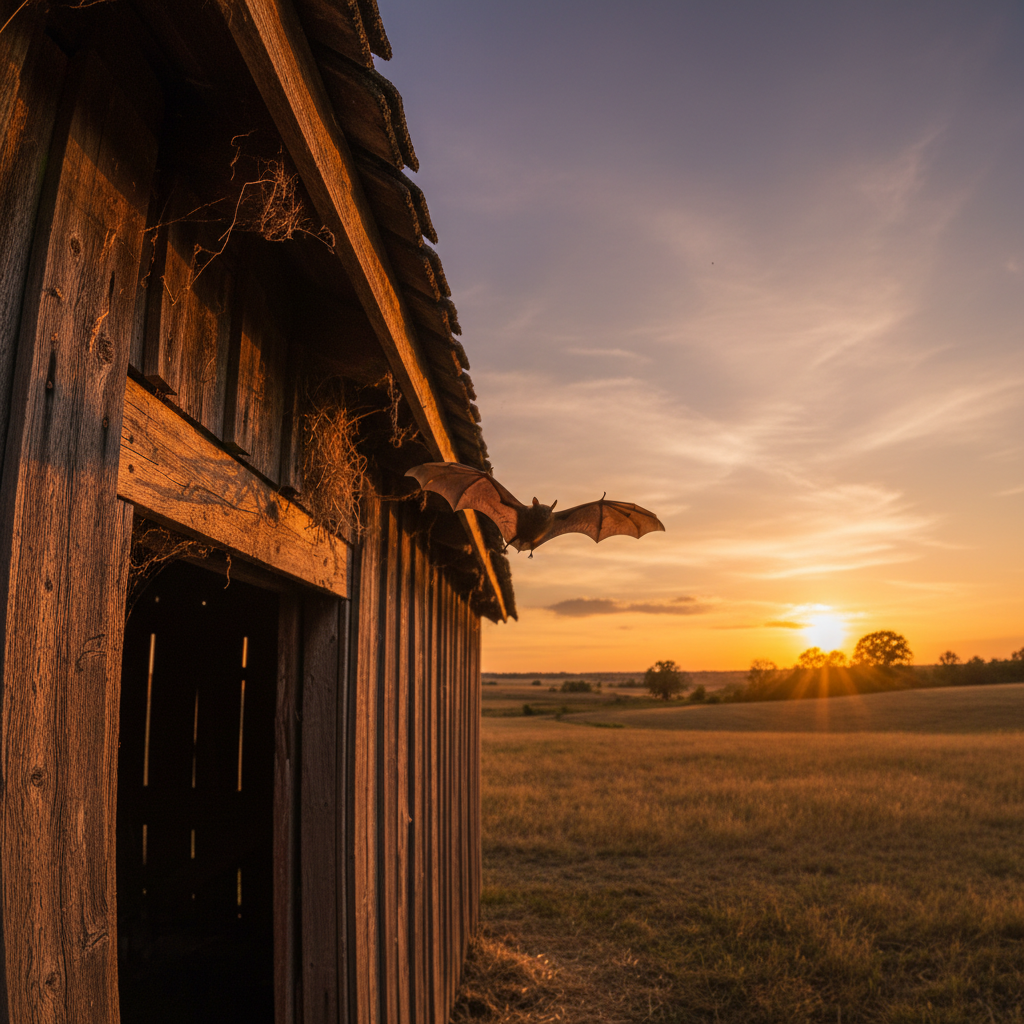
"I'd walked past that barn door every morning for thirty years. Roost sent someone out the same week I called. Turns out we had a maternity colony of eighty pipistrelles raising pups in the eaves."
Arthur Pemberton
Arable farmer · Glastonbury, Somerset

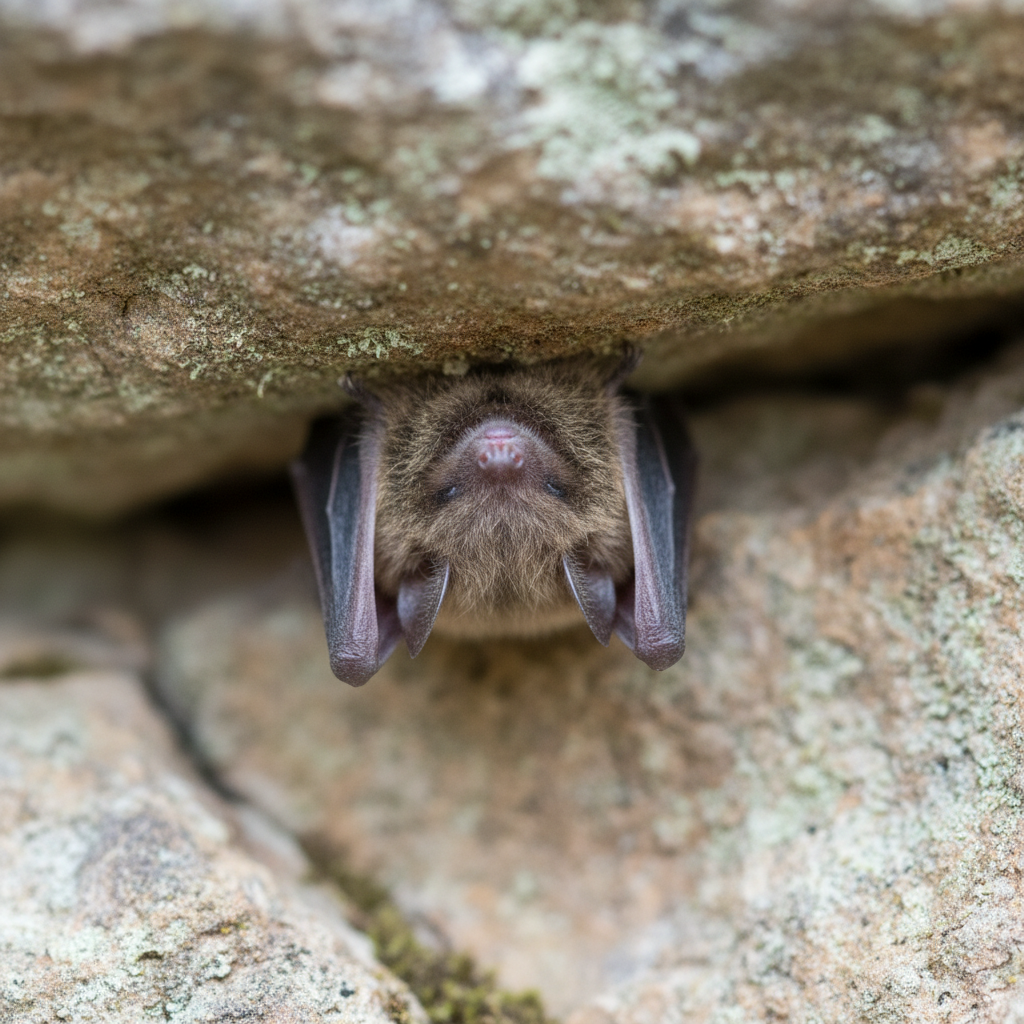
"The bell tower survey took two evenings. We found lesser horseshoe bats — a species I'd never even seen before. Now the parish council has a five-year management plan."
Reverend Miriam Okafor
Church warden · Lavenham, Suffolk


"We had a six-week window before groundworks. Roost ran the acoustic survey, filed the report, and helped us redesign the retaining wall with a roost void built in. The bats stayed. The project went ahead."
Cerys Llewelyn
Highway engineer · Brecon, Powys

"I spotted something in the loft conversion plans that didn't look right — a sealed void right where I'd seen bats emerge every August. One email to Roost and the architect had a revised spec within a fortnight."
Donal Fitzpatrick
Parish councillor · Clonakilty, County Cork

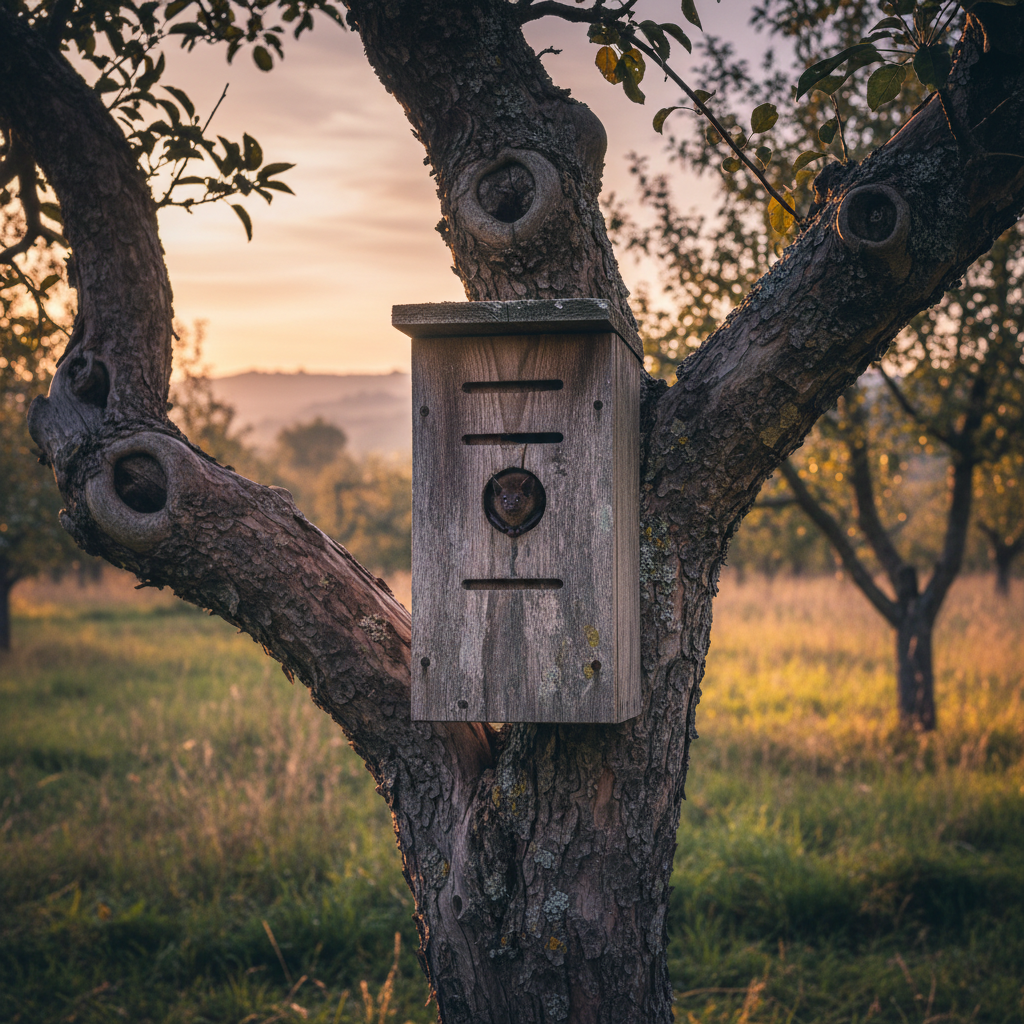
"My daughter pointed out the flight path from the orchard to the hedgerow. We installed three roosting boxes with Roost's guidance. By the second summer, all three were occupied."
Philippa Hartley
Smallholder · Ledbury, Herefordshire

Three ways to protect
a roost.
Roost Assessment & Ecological Reports
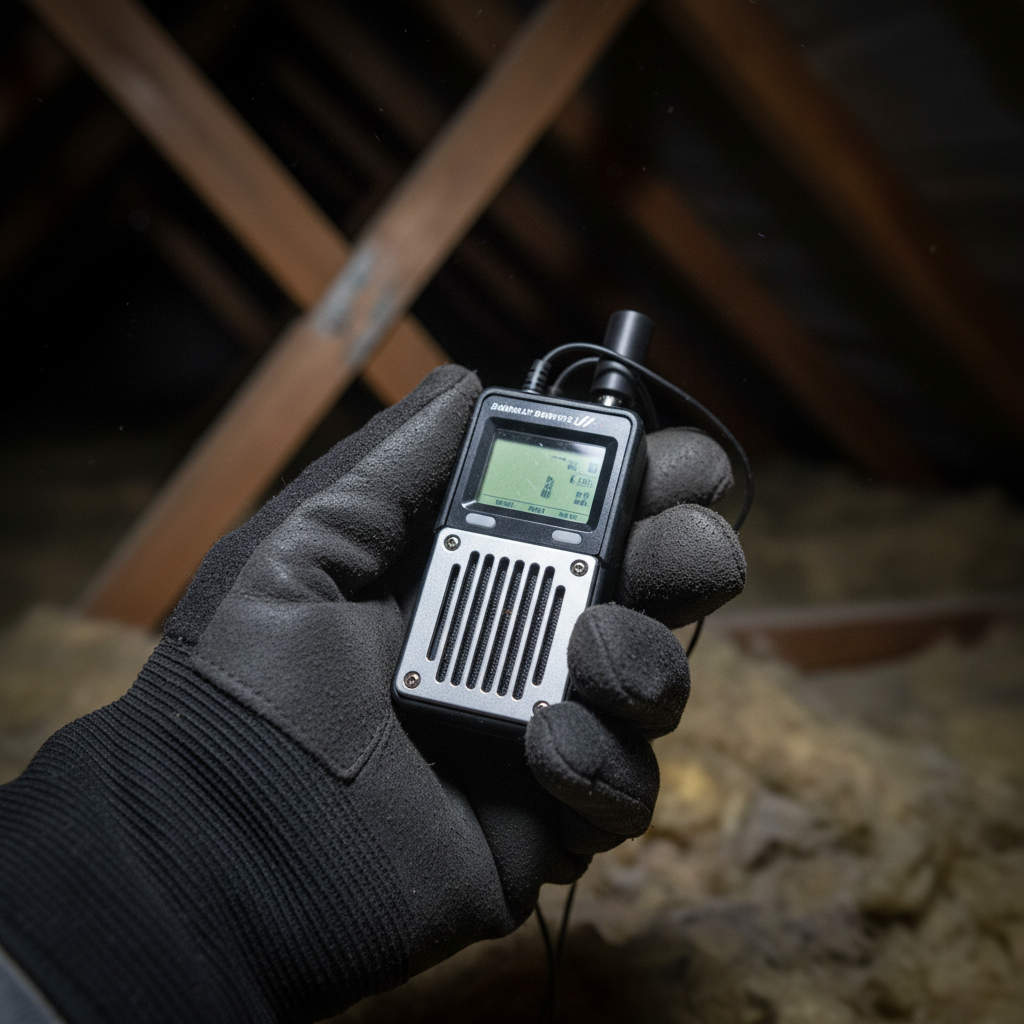
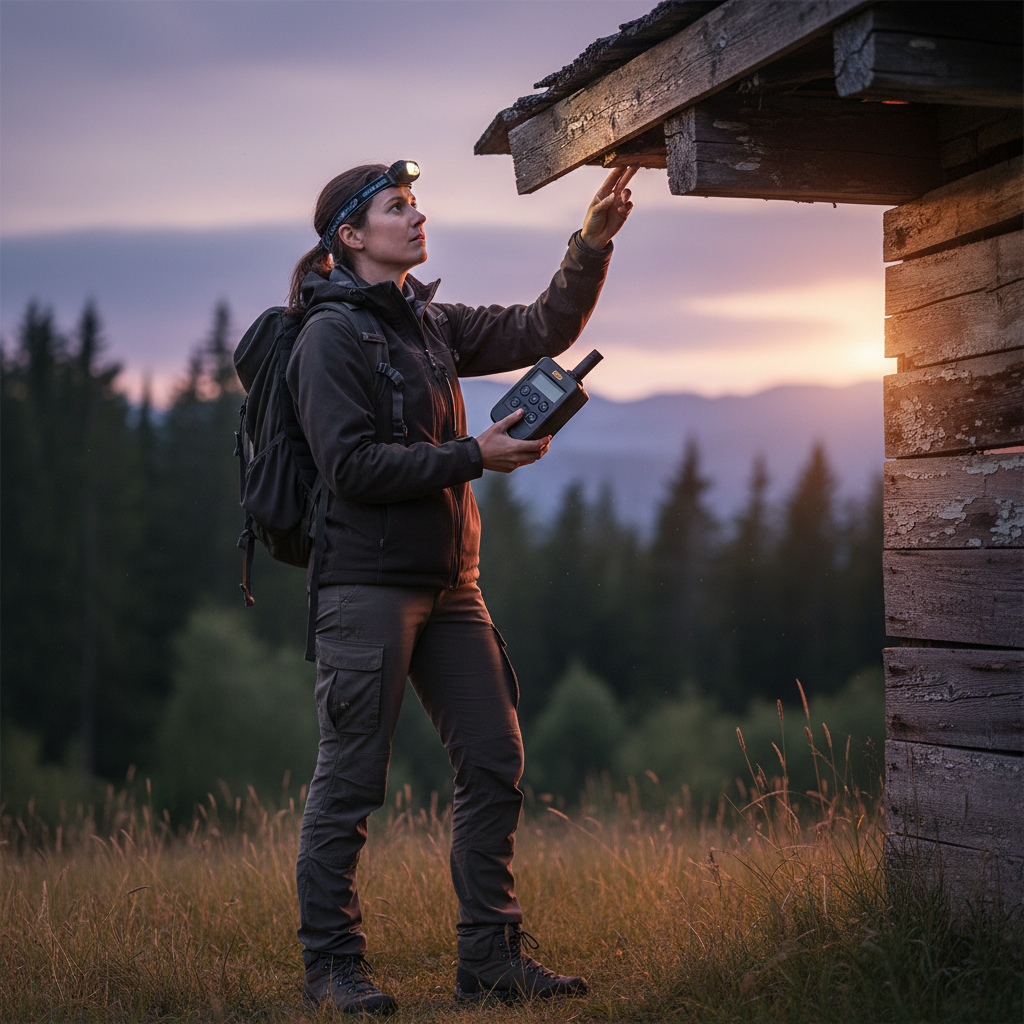
Licensed bat ecologists conduct emergence surveys using full-spectrum acoustic detectors and thermal imaging. We produce NatureScot and Natural England-compliant reports for planning applications, with typical turnaround of 10–14 working days.
- Preliminary Roost Assessment (PRA)
- Emergence / Re-entry surveys
- Full bat activity transects
- Mitigation design & licence support
Suitable for: planning applications, building conversions, infrastructure projects
Roost Box Design, Build & Installation
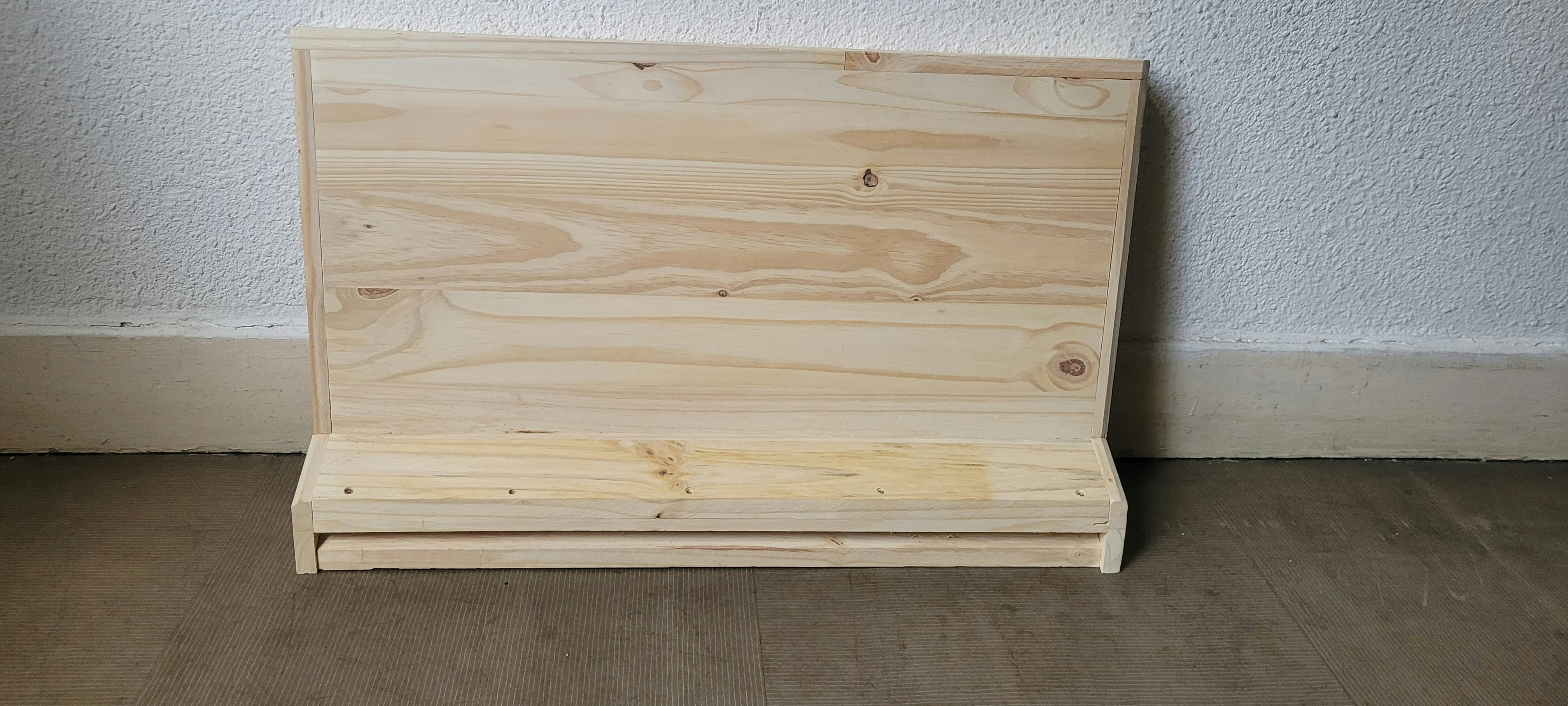
Hand-built roosting boxes in untreated oak and sweet chestnut, sized to species and sited by habitat. We install in barns, orchards, bridges, and woodland edges — every unit numbered and logged to our national monitoring database.
- Species-specific box design
- Untreated hardwood construction
- GPS-logged placement records
- First-year occupancy check included
Suitable for: farms, estates, community projects, ecological mitigation
Long-Term Acoustic Monitoring Networks
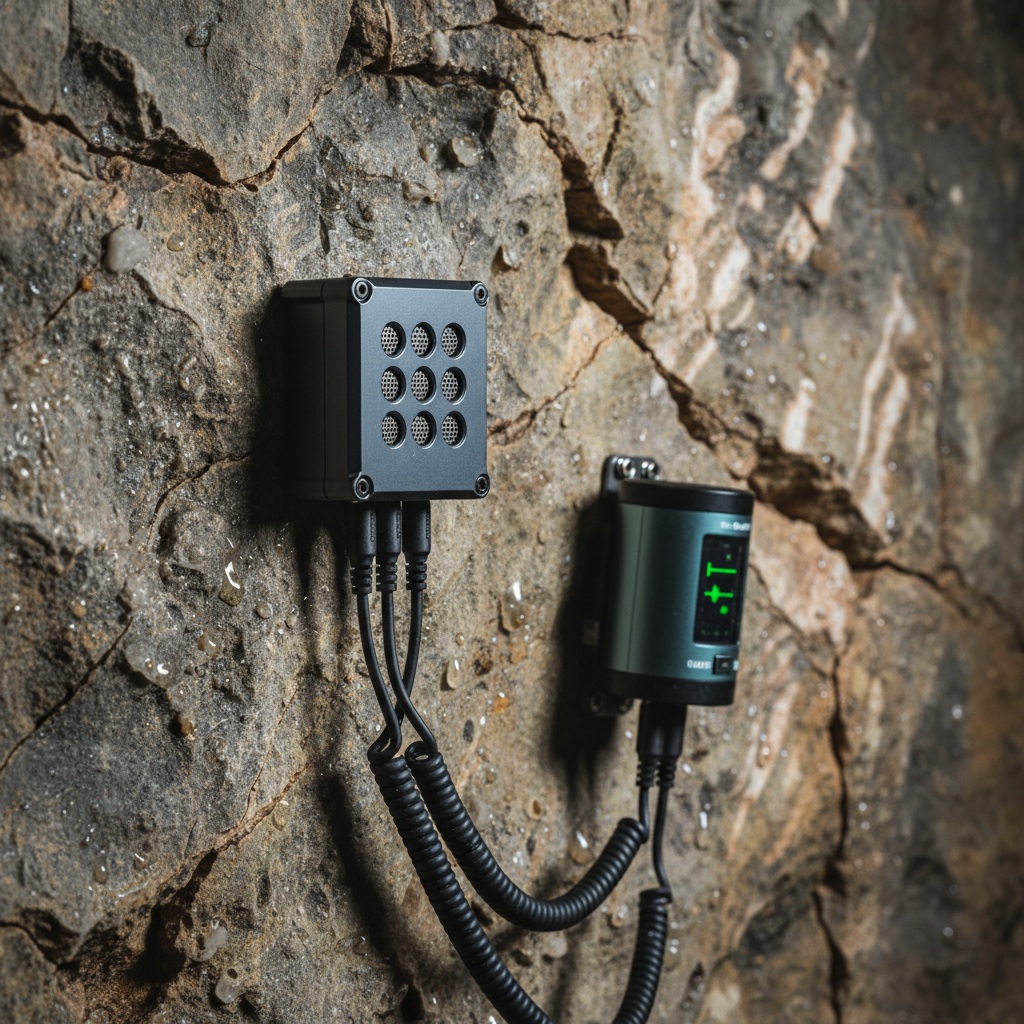
We deploy weatherproof acoustic monitoring units at roost entrances and flight corridors, feeding data to a secure dashboard. Colony counts, species identification, and flight-path mapping — updated nightly, accessible to landowners by secure link.
- Weatherproof full-spectrum units
- Nightly automated species ID
- Landowner dashboard access
- Annual written monitoring report
Suitable for: ongoing obligations, research partnerships, conservation covenants
Report a Roost
Tell us where you've seen them. We'll handle everything from there — survey, assessment, protection plan.
The bats don't need
experts. They need witnesses.
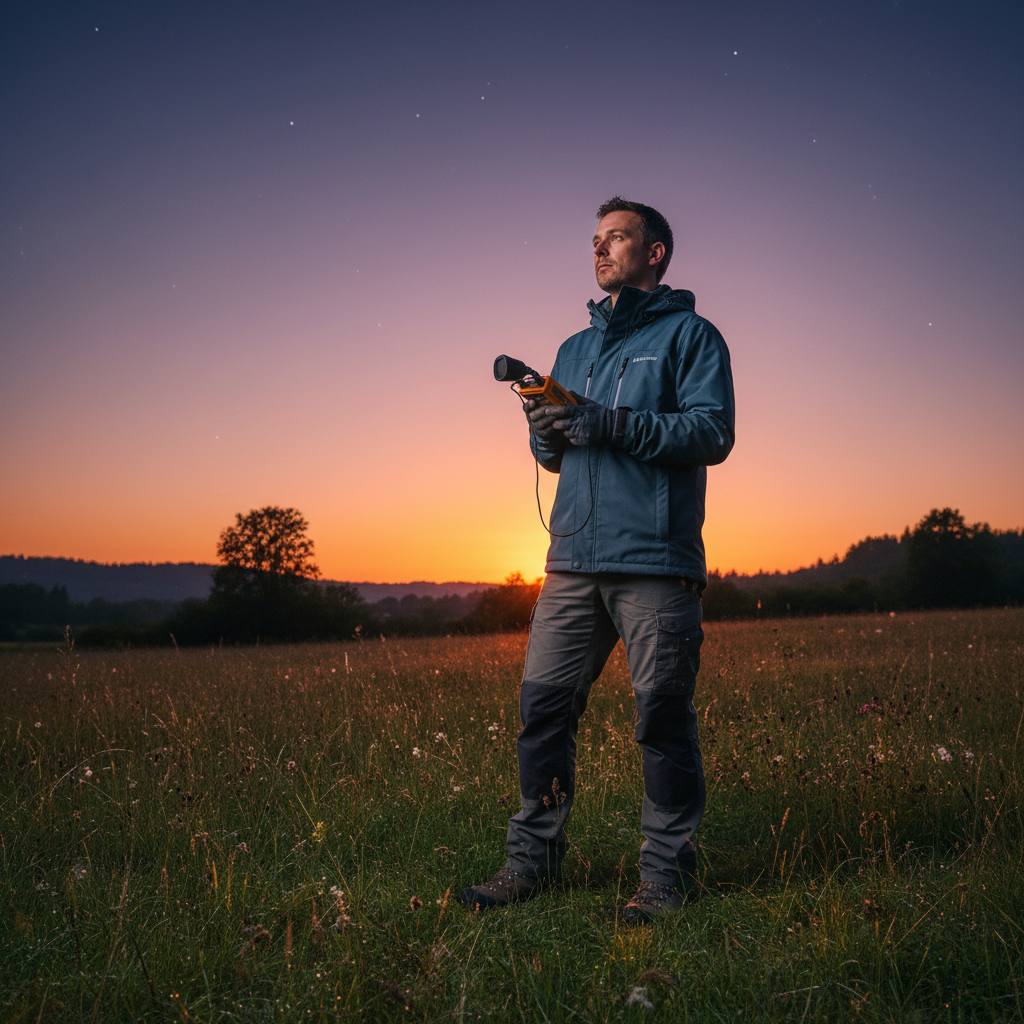
Roost volunteers are our eyes and ears at hundreds of sites across the country. No qualifications needed — only patience, a sense of dusk, and the willingness to look up.
Roost Watcher
Count emergence events at known sites using our app and a torch.
Box Builder
Join a workshop to build and paint roosting boxes from reclaimed timber.
Data Recorder
Transcribe acoustic recordings and help train our species-ID models.
Local Liaison
Be the first contact for landowners and council members in your area.
Join the Watch
We'll send you a welcome pack, a local site map, and your first survey instructions.